
THE COLLAPSED SYSTEM
“The body that grew quiet to survive.”
A system that dimmed its own light because the world came in too strong.
(Check Your Email for Free Healing Gifts).

Your system protects you by turning things down. You don’t shut down because you’re lazy or unmotivated. Your body is doing the only thing it knows to do when life feels too big. It goes quiet. You may feel numb, tired, disconnected, or like you’re watching life happen from the outside. This is your physiology trying to keep you safe.
Many people with this pattern still function and get things done, but it often feels like a performance. You know how to show up when you have to, but afterward you crash. There is a constant sense of pushing through. You may rely on small resets or coping habits to get yourself to engage. Coffee, screens, sugar, adrenaline, or waiting until the last minute can give you a quick spark of energy, but it’s not real capacity. It’s borrowed activation. It lifts you for a moment and leaves you more depleted afterward.
The collapsed system has a narrow window between activation and overwhelm. Even a small rise in energy can feel like too much, which is why you may shrink, go quiet, or disappear internally. As a child you may have learned to take up less space, stay easy, avoid conflict, or retreat into your mind. These weren’t conscious choices. They were developmental strategies that kept you safe when there wasn’t enough support for your emotions or your needs.
Why this pattern shows up: When the system can’t complete fight, flight, or fawn because there wasn’t enough support to move that energy, it goes inward instead. Collapse is a survival strategy. It lowers intensity so you don’t get overwhelmed. Your physiology may feel stuck in conservation mode, waiting for clear cues of safety before it can come back online.
Your next step
Your system protects you by conserving energy.
That means it needs gentle activation, not pressure or motivation.
Check your email for simple nervous system practices designed for the Collapsed system.
Start with the FREE 5 Somatic Tools as part of the Heal Trauma Bundle.
They are brief, grounded, and meant to meet you where your capacity actually is.
If you do not see the email, check Promotions or Spam and move it to your primary inbox.
When you signup for the bundle you also get access to the Nervous System Pattern Field Guide PDF that explains all the common patterns and more.
About The Author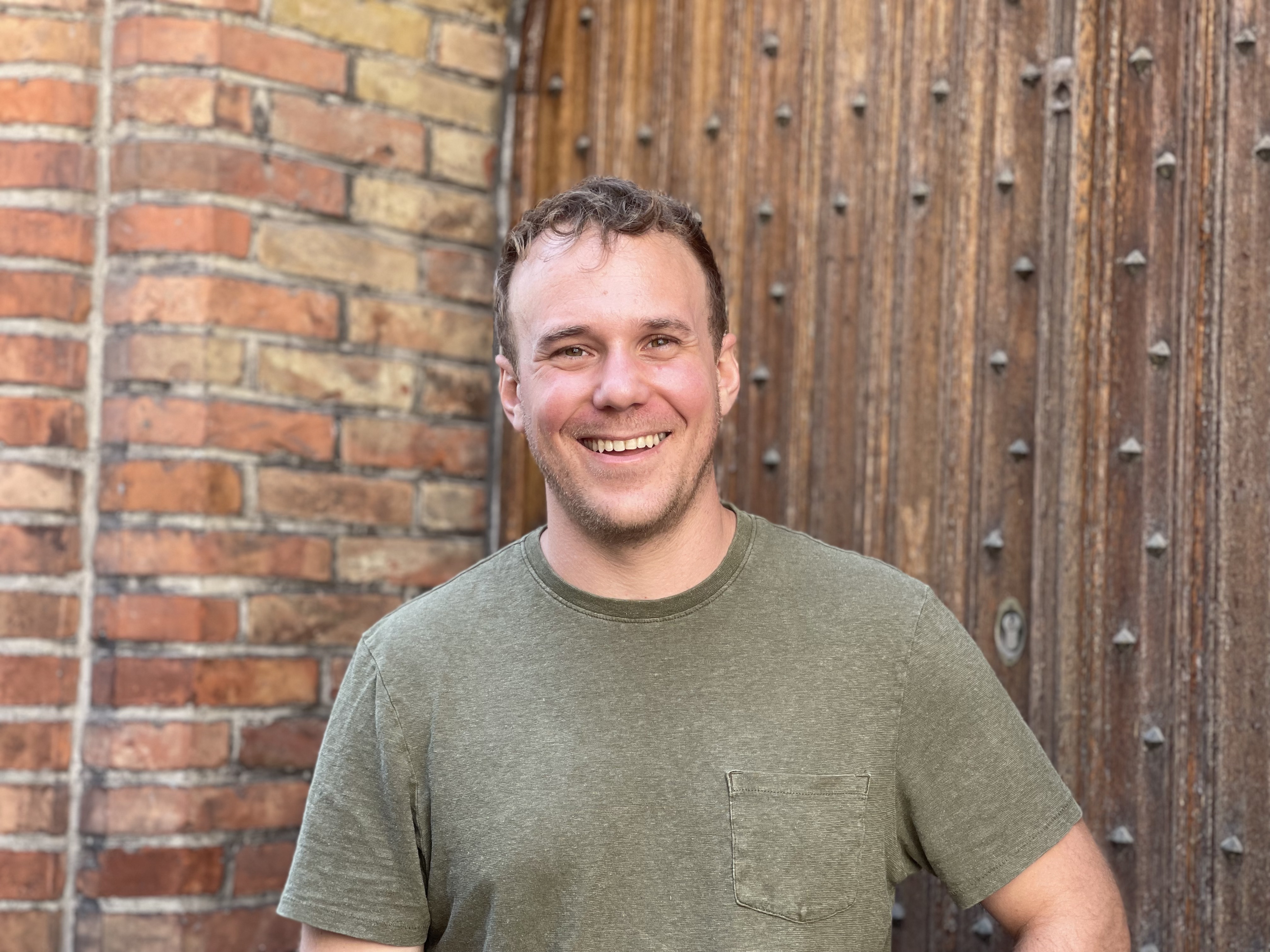
Meet Daniel Vose MA
For the past 18+ years, I’ve devoted my life to understanding how trauma lives in the body and how to help people transform it.
I hold a master’s degree in Somatic Psychology, I’m a certified Somatic Experiencing Practitioner, and I’ve taught trauma and attachment work to therapists, healers, and helping professionals around the world.
I’ve led thousands of clients, individuals, couples, and practitioners through nervous system repair, attachment healing, and deep somatic transformation.
Where this work truly began
At 12 years old, I was in a full collapse of my life.
I was addicted.
I couldn’t focus.
My system was overloaded with panic, migraines, dissociation, and a constant sense of danger.
I couldn’t hold a conversation without losing the thread.
I felt like I was disappearing.
By 14, I found myself in 12-step meetings, surrounded by people who were drowning in trauma.
In those rooms, I began to understand something profound: addiction wasn’t the problem, the nervous system was.
That realization ignited my obsession to understand trauma, nervous system physiology, and the deeper mechanics of healing.
I studied with Native American healers, entered recovery, went to Buddhist university, immersed myself in meditation, and rebuilt my life from the inside out.
Where the Trauma Alchemy framework was born
Years later, working in one of the top treatment centers in the country, I sat with hundreds of clients each year at the edge of their trauma. Frozen, overwhelmed, dissociated, terrified, collapsed, or unable to stop running from their own histories.
It was there that the framework I now teach took shape.
A system that worked on the level where trauma actually lives, the physiology, not the thoughts.
Clear. Practical. Rooted in nervous system science.
Gentle enough for the most sensitive systems.
Powerful enough to change patterns that seemed immovable.
This is the same system that rebuilt my life, and the same one I teach today as Trauma Alchemy: Regulate, Reconnect, Regenerate.
I live a life I once believed would be impossible for me:
present, clear, connected, sober, grounded, and deeply fulfilled.
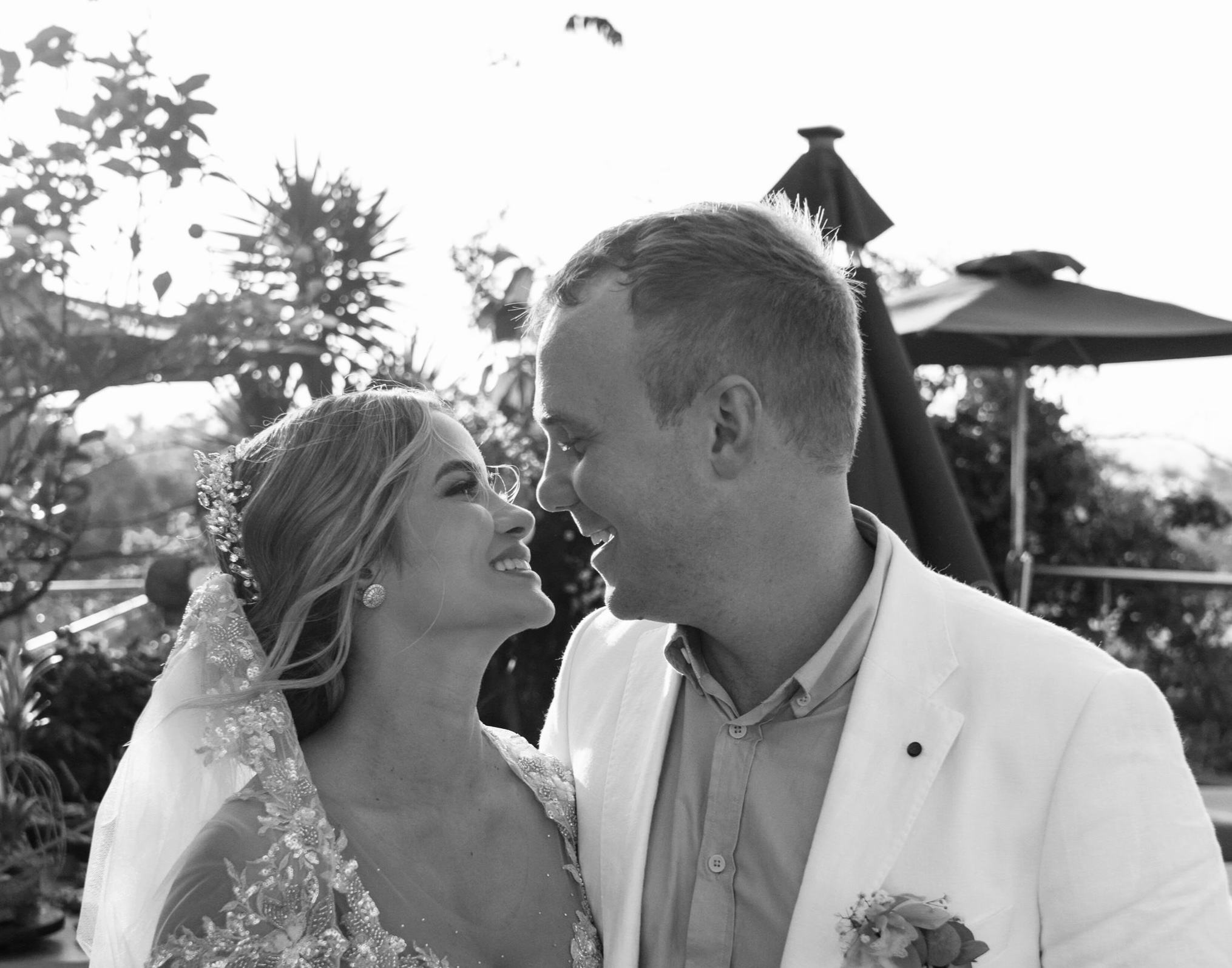
I’m married, doing work I love, and helping others reshape patterns they thought were permanent.
And if your system feels stuck, overwhelmed, shut down, chaotic, or out of control, I want you to know something:
I’ve been there too.
Your body remembers the way home.
Trauma Alchemy simply helps you access it.