
THE OSCILLATING SYSTEM
“The body that moves between too much and not enough.”
(Check Your Email for Free Healing Gifts).

Your system moves between activation and shutdown. Some days you feel wired, restless, or overwhelmed. Other days you feel drained, flat, or far away from yourself. The shifts can feel unpredictable. You may not know which version of you is going to show up in the morning. It can be confusing because you never feel fully settled in either direction.
This swing between states isn’t inconsistency. It’s your physiology trying to find stability without enough internal scaffolding to stay in one place. Your system tries to mobilize, but the activation rises too fast, so it drops into collapse. Then collapse becomes uncomfortable, so the system tries to lift itself again. You get caught between two states that don’t feel sustainable.
People with this pattern often describe themselves as sensitive to intensity. Loud noises, emotional conflict, sudden change, or pressure can push the system toward activation or shutdown quickly. These swings aren’t “moodiness.” They are survival physiology moving without enough support.
To cope, you may rely on strategies that help you manage both sides of the swing. You might use stimulation to feel alive again when you’re drained. You might use avoidance, distraction, or numbing when you’re overwhelmed. Some people use productivity surges during activation, then withdraw or isolate when collapse returns. Others use food, screens, or urgency to give the system a sense of direction. None of this is weakness. It’s your body trying to self-regulate without enough options.
As a child, you may have lived in an environment where emotions, safety, or attunement were inconsistent. Part of you learned to mobilize quickly, while another part learned to disappear. These developmental adaptations never had the chance to integrate. So your adult system tries to bridge both worlds at once. You rev up and shut down in patterns that reflect what you had to do to get through early life.
Why this pattern shows up: Your physiology didn’t receive the steady, predictable support needed to build a stable middle range. Without consistent safety, the system doesn’t learn how to hold activation or rest without swinging to the opposite pole. The oscillation becomes the way your body keeps itself going.
An introductory regulation practice: Slow head turns. Let your eyes move with your head as you look gently to one side, then the other. Pause on something neutral or pleasant. This helps the system find orientation in the environment, which supports settling in the middle range rather than bouncing between extremes.
Your next step
Your system moves between too much and not enough.
What helps most is learning how to find the middle range.
Check your email for simple nervous system practices designed for the Oscillating system.
Begin with the 5 Somatic Tools.
They are designed to help your system settle without swinging to the opposite extreme.
When you signup for the bundle you also get access to the Nervous System Pattern Field Guide PDF that explains all the common patterns and more.
If you do not see the email, check Promotions or Spam and move it to your primary inbox.
When you signup for the bundle you also get access to the Nervous System Pattern Field Guide PDF that explains all the common patterns and more.
About The Author
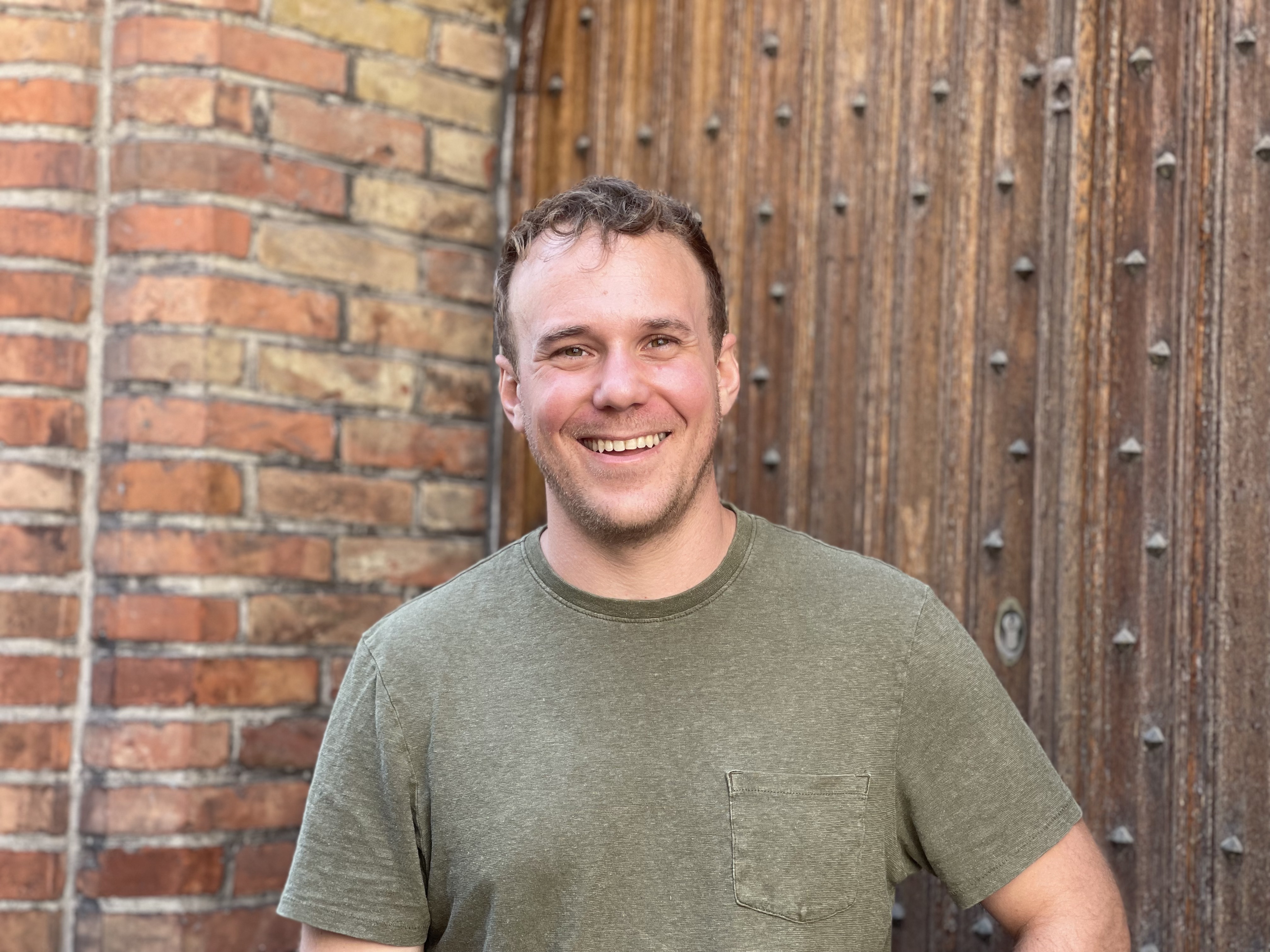
Meet Daniel Vose MA
For the past 18+ years, I’ve devoted my life to understanding how trauma lives in the body and how to help people transform it.
I hold a master’s degree in Somatic Psychology, I’m a certified Somatic Experiencing Practitioner, and I’ve taught trauma and attachment work to therapists, healers, and helping professionals around the world.
I’ve led thousands of clients, individuals, couples, and practitioners through nervous system repair, attachment healing, and deep somatic transformation.
Where this work truly began
At 12 years old, I was in a full collapse of my life.
I was addicted.
I couldn’t focus.
My system was overloaded with panic, migraines, dissociation, and a constant sense of danger.
I couldn’t hold a conversation without losing the thread.
I felt like I was disappearing.
By 14, I found myself in 12-step meetings, surrounded by people who were drowning in trauma.
In those rooms, I began to understand something profound: addiction wasn’t the problem, the nervous system was.
That realization ignited my obsession to understand trauma, nervous system physiology, and the deeper mechanics of healing.
I studied with Native American healers, entered recovery, went to Buddhist university, immersed myself in meditation, and rebuilt my life from the inside out.
Where the Trauma Alchemy framework was born
Years later, working in one of the top treatment centers in the country, I sat with hundreds of clients each year at the edge of their trauma. Frozen, overwhelmed, dissociated, terrified, collapsed, or unable to stop running from their own histories.
It was there that the framework I now teach took shape.
A system that worked on the level where trauma actually lives, the physiology, not the thoughts.
Clear. Practical. Rooted in nervous system science.
Gentle enough for the most sensitive systems.
Powerful enough to change patterns that seemed immovable.
This is the same system that rebuilt my life, and the same one I teach today as Trauma Alchemy: Regulate, Reconnect, Regenerate.

I live a life I once believed would be impossible for me:
present, clear, connected, sober, grounded, and deeply fulfilled.
I’m married, doing work I love, and helping others reshape patterns they thought were permanent.
And if your system feels stuck, overwhelmed, shut down, chaotic, or out of control, I want you to know something:
I’ve been there too.
Your body remembers the way home.
Trauma Alchemy simply helps you access it.